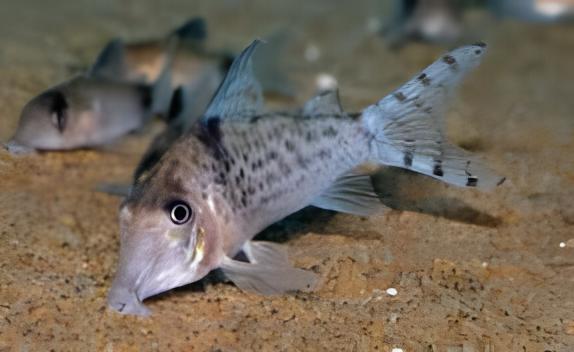
Description
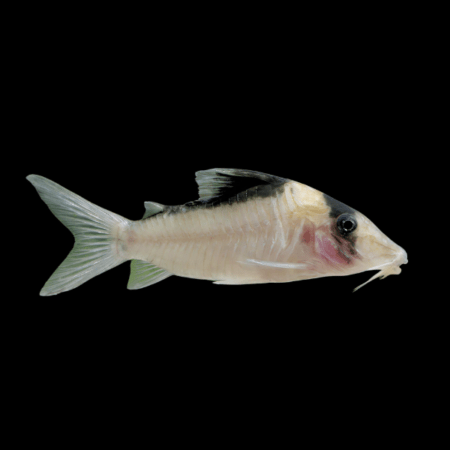
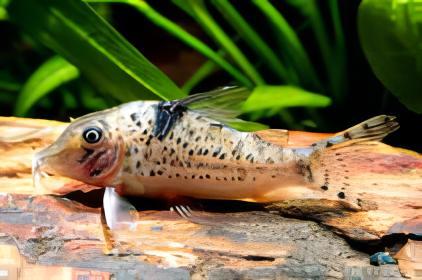
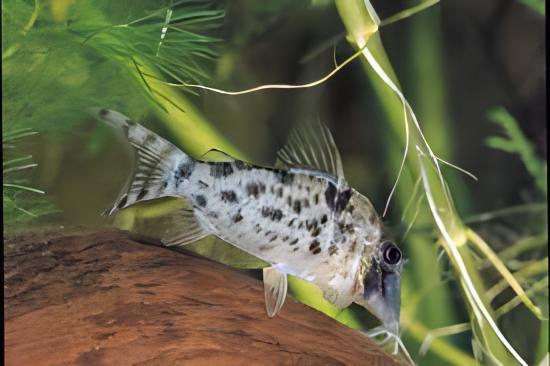
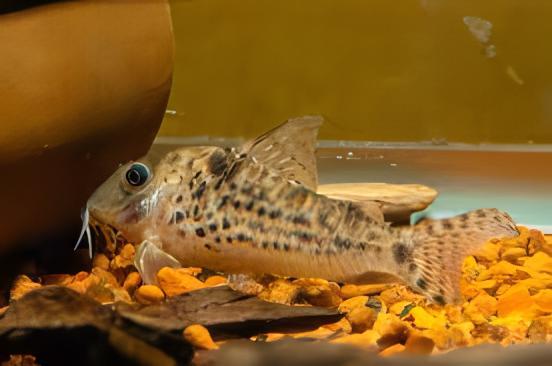
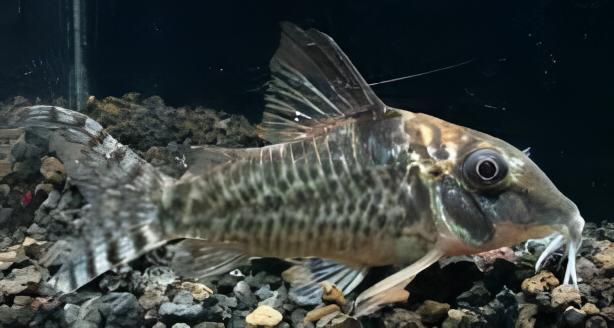
Spotback Corydoras Blochi
Overview
| Synonyms | No known synonyms |
| Distribution | Moco Creek near Lethem, 3°18’N, 59°46’W, tributary of Rio Tacutú, Río Branco system, Essequibo, Guyana. |
| Maximum Size | 5cm (2″) |
| Temperature | 15-25°C |
| Water Parameters | Captive-raised specimens will adapt to a wide range of water conditions, providing that good water quality is maintained. |
| Compatibility | Community |
| Lighting | No special requirements |
| Sexual Dimorphism | Females are significantly larger and appear wider when viewed from above. Males are slimmer and often have an extended dorsal fin. |
| Feeding | Catfish pellets, granules, flake and frozen foods |
Description
Care
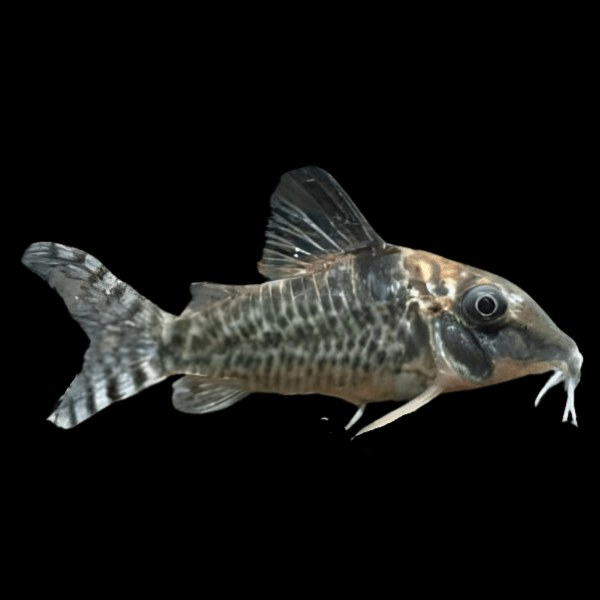
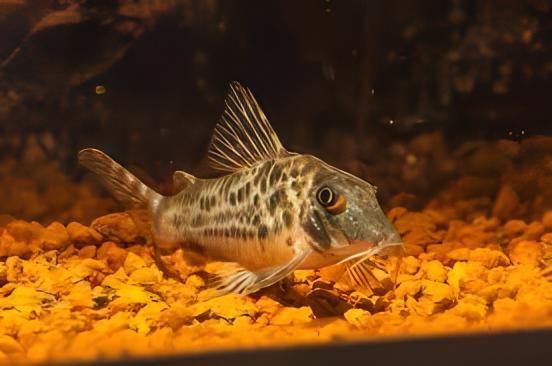
Corydoras Blochi is a fish species that beginner aquarists adore. Named after a researcher, Marcus Bloch, they’re commonly referred to as spotback corydoras. As a member of the catfish family, these sweet, armoured creatures bring charm to any aquarium. This guide will help you understand how to care for them effectively.
The Corydoras Blochi (named after the German naturalist Marcus Bloch), often referred to as the ‘Spotback catfish’ or the ‘Bloch’s catfish’, is a bewitching addition to any fish tank. This compact, freshwater fish hails from South America, most notably the countries of Brazil, Venezuela, and Guyana.
Feeding
Catfish pellets and other sinking foods are a good staple, with frozen foods such as Cyclops, mosquito larvae and Daphnia a welcome treat.
Breeding
Mature pairs can be triggered into spawning by performing a large, slightly cooler water change. The pair will adopt the classic “T position” where the male fertilises the eggs that are held between the females pelvic fins. The adhesive eggs will then be deposited onto plants, decor, or the sides of the aquarium etc and the process repeated. The eggs generally take 3-4 days to hatch after which time the tiny fry should be offered finely powdered first foods. A few days later they will be able to take newly hatched brineshrimp. To avoid predation and ensure a higher success rate, many fishkeepers move the parents to another aquarium after the eggs have all been deposited.